Choosing a Cold Isostatic Pressing machine starts with the part, not the catalog. The process applies fluid pressure around a sealed powder-filled mold, helping compact material evenly from multiple directions. That can be valuable for ceramic, metal, and other powder components where density and shape consistency matter. But the best machine depends on what you actually plan to produce.
Define the material, part dimensions, target density, and expected production volume before comparing models. Then check the working pressure range, vessel capacity, loading method, cycle time, and control features. A chamber that looks spacious may not suit your tooling or handling setup. Details matter. Ask suppliers for operating data relevant to your material and part geometry, and confirm how they measure pressure uniformity and repeatability. If possible, review sample parts or arrange a production trial.
Also consider practical ownership needs: installation space, operator training, maintenance access, spare-part availability, and technical support. Safety systems and pressure-vessel documentation deserve close attention, not a quick glance. A lower purchase price may conceal higher costs in tooling, downtime, or service. Not every option fits. Compare the full operating picture, and make assumptions visible in your evaluation. Some requirements may change after initial trials; that is normal, but it should be planned for. A careful selection process connects machine specifications to measurable production needs, rather than relying on broad claims or a single headline rating.
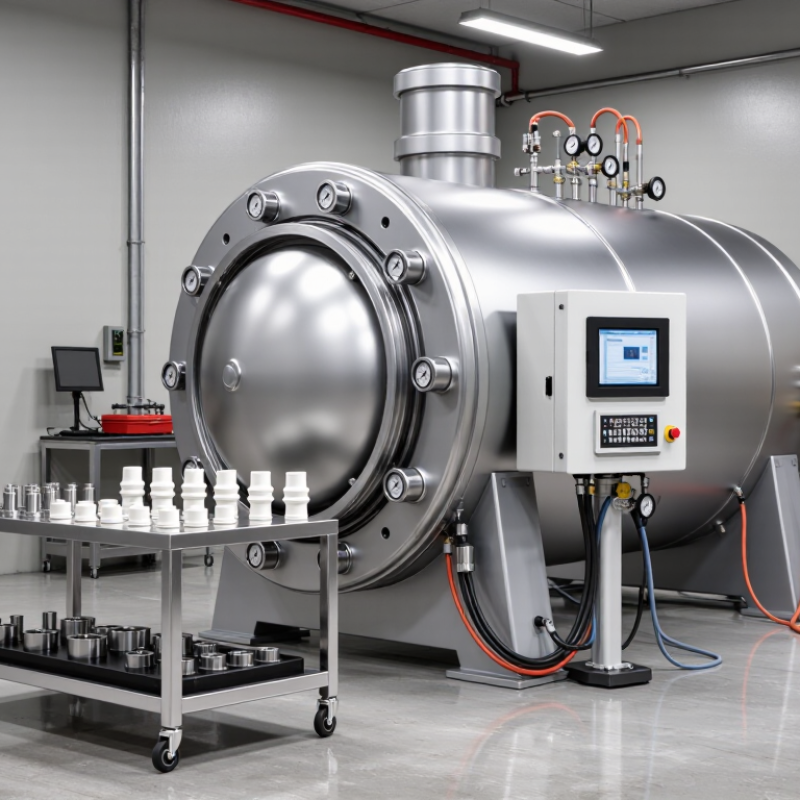
Before comparing cold isostatic pressing machines, define the part and its job. A ceramic tube, for example, may need uniform wall density to limit cracking during firing. A powder-metal component may instead require a specific green strength for safe handling. These differences affect the pressure range, vessel size, and tooling you need. Measure the part’s dimensions, including any allowance for shrinkage, and note how many pieces must fit in each cycle. Small details matter.
Write down the required properties: target density, density variation, dimensional tolerance, and acceptable defect levels. Share these figures with a qualified process engineer, along with the powder type and any existing test data. A machine’s maximum pressure alone does not show whether it can make your part consistently. Ask how pressure control, loading arrangements, and cycle records support repeatable runs. If possible, trial representative parts and inspect them after pressing and sintering. Test it. The first specification may be incomplete; actual parts can reveal uneven fill, awkward handling, or a tolerance that is too tight for the process. Revisit the requirements before choosing equipment.
Pressure reference points for comparing machine specifications. The bar values are exact unit conversions (1 MPa = 10 bar), not recommended settings for a particular material or part.
Choose a machine only after defining the material, part dimensions and shape, target green density and uniformity, and production volume. Confirm the required process pressure through material-specific trials, then select a vessel size and pressure rating that meet the validated process requirements.
Cold isostatic pressing machines are commonly grouped into wet-bag and dry-bag designs. In a wet-bag press, operators place a flexible mold inside the pressure vessel, then immerse it in the liquid medium. This setup accommodates varied shapes and frequent tooling changes. It suits development work and smaller production runs, though each loading cycle takes hands-on time.
A dry-bag press keeps the flexible mold in the vessel and separates it from the pressure medium. Operators load powder from outside the pressure chamber, making repeated cycles faster and easier to automate. The trade-off is less flexibility: fixed tooling can limit part shapes and sizes.
Not always. Real production layouts can blur this distinction.
Compare part dimensions, batch volume, mold-change frequency, and required density consistency before choosing. Watch an operator load a representative mold; awkward handling or trapped air can undermine a promising setup. Ask how the machine controls pressure and monitors the cycle, and review maintenance access around seals and the vessel. Speed matters, but it is not the only measure. A wet-bag machine may be the better fit for varied work, while a dry-bag design can favor repeatable runs. That judgment deserves a trial with your actual powder and tooling.
Choosing a cold isostatic pressing machine starts with the pressure your material actually needs. Ceramic powders, metal powders, and different part shapes may respond differently, so avoid selecting a machine by its maximum rating alone. Review trial data, target green density, and the part’s dimensions before setting a working pressure range. A safety margin matters, but unnecessary pressure can add cost without improving the result. Small details matter.
Vessel size must fit the parts, tooling, and loading method—not just the finished component. Measure the usable chamber diameter and length, then allow room for bags, fixtures, and safe handling. For example, a long mold may fit on paper but become awkward to load when its support frame is included. Check clearances carefully. This estimate may need revision after a real loading trial.
Production capacity depends on more than chamber volume. Compare batch size with the full cycle, including loading, pressurizing, depressurizing, unloading, and inspection. If operators can prepare the next batch during a cycle, output may improve; if parts require careful manual placement, published cycle time can be misleading. Ask for realistic cycle data using a load similar to yours. A small pilot run can reveal bottlenecks, though it will not predict every production issue.
How to Choose a Cold Isostatic Pressing Machine
Evaluate the controls at the machine, not just in a brochure. Operators should see actual pressure, programmed setpoint, hold time, and alarms on one clear display. A controlled ramp and gradual depressurization help reduce uneven loading and damage to fragile green parts. Ask whether pressure readings are logged and whether the system verifies that the vessel is depressurized before access. A neat touchscreen is not a substitute for independent pressure sensing or physical interlocks.
Safety deserves a close look. The U.S. Bureau of Labor Statistics reported 2.6 million nonfatal workplace injuries and illnesses in private industry for 2023. That figure is not specific to pressing equipment, but it reinforces the value of guarding, emergency stops, clear operating procedures, and maintainable safety systems. Check how the press handles alarms and power loss. No checklist catches every problem; service access and operator training matter, too.
Material compatibility affects both product quality and machine life. Confirm that the pressure-transmitting fluid suits seals, hoses, and any chamber liner, especially at the planned operating temperature. Check whether fluid contamination could affect porous ceramics or powder-filled molds. Request documented pressure and temperature limits for the vessel and consumable tooling. Then compare those limits with your actual recipe, not an optimistic estimate. A small trial can reveal issues that specifications miss.
| Evaluation Area | What to Check | Suitable Selection Guidance | Evidence to Request |
|---|---|---|---|
| Press type | Wet-bag or dry-bag arrangement; loading method; batch size and production frequency. | Wet-bag systems suit flexible tooling and varied small batches. Dry-bag systems suit repeatable loading and higher-volume production when the tooling and process are compatible. | A process layout, loading sequence, tooling details, and cycle-time estimate for your part geometry. |
| Pressure capacity | Maximum working pressure, usable vessel volume, and the pressure required by the powder and part. | Specify pressure from validated material and process requirements. CIP systems are available across a broad range of pressures; do not assume one rating fits every powder or application. | Rated working pressure, vessel drawings, applicable pressure-vessel documentation, and a proposed process recipe. |
| Control system | Pressure ramp, dwell time, controlled depressurization, recipe storage, alarms, and operator access levels. | Choose programmable controls with clear pressure and cycle-time displays, repeatable recipes, and an operator interface appropriate to the production environment. | A control-system demonstration, sample cycle record, alarm list, and details of recipe backup and access control. |
| Pressure measurement | Pressure sensor range, display resolution, calibration method, and any independent pressure indication. | Select measurement equipment suited to the operating range and required process repeatability. Confirm calibration intervals and traceability requirements for your quality system. | Instrument specifications, calibration certificates or procedures, and maintenance instructions. |
| Safety interlocks | Door or closure interlocks, pressure permissives, guarded operating zones, and prevention of opening under pressure. | Require documented interlocks that prevent pressurization unless the closure is correctly secured and prevent access until pressure is safely released. | Safety circuit description, interlock test procedure, risk assessment, and operator safety instructions. |
| Pressure release and emergency response | Controlled depressurization, overpressure protection, emergency stop behavior, and recovery after a power interruption. | Confirm that the release sequence is controlled and that protective devices and emergency procedures are suitable for the installation and local requirements. | Protection-device documentation, emergency-stop sequence, fault-recovery instructions, and planned maintenance checks. |
| Material and tooling compatibility | Powder chemistry, fluid exposure, elastomer compatibility, capsule or mold material, and contamination limits. | Check all wetted and pressure-exposed materials against the process fluid, powder, cleaning agents, temperature, and required product purity. | Materials list for seals and tooling, fluid specifications, compatibility data, and cleaning or changeover guidance. |
| Part size and uniformity | Part envelope, mold dimensions, loading clearance, and acceptable green-part density variation. | Match the working zone and tooling to the largest planned load. Validate density and dimensional results using representative parts and the intended powder preparation method. | Working-zone drawing, tooling proposal, and trial results or a validation plan for representative samples. |
| Utilities and installation | Electrical supply, hydraulic or pressure-fluid requirements, floor loading, access, ventilation, and service clearances. | Confirm site services and installation conditions before purchase, including the required foundations and access for loading, maintenance, and vessel inspection. | Installation drawing, utility schedule, floor-load data, and commissioning requirements. |
| Maintenance and documentation | Inspection access, seal replacement, spare-part availability, service intervals, and operator training. | Favor a maintainable design with clear inspection procedures, accessible service points, and documentation that supports safe operation over the intended service life. | Operation and maintenance manuals, recommended spares list, training outline, and inspection schedule. |
Selection note: Confirm pressure ratings, protective measures, and installation requirements against the machine documentation, applicable regulations, and the specific material process before operation.
When choosing a cold isostatic pressing machine, look beyond the purchase price and ask how the supplier supports daily operation. Request a clear commissioning plan, operator training, and practical troubleshooting instructions. Ask how quickly common spare parts can be shipped, and whether technical help is available during your working hours. Small delays matter. A machine waiting for a seal or a service visit can disrupt an entire production schedule. Compare support commitments in writing, not just during a sales conversation.
Estimate operating costs using your expected batch size, cycle frequency, and local utility prices. Ask suppliers what routine checks involve, which components need periodic replacement, and what maintenance can be handled by trained staff. Review the manual before comparing service intervals; assumptions based on another machine may be wrong. Budget for inspection, consumables, and downtime as well as electricity. A spreadsheet can make one option look cheaper, but it may omit a long parts lead time. That is easy to miss. Have maintenance staff review the proposed schedule and identify tools or training they would need. Some costs will remain uncertain until the machine runs in your actual workflow.