What is Isostatic Pressing and How Does It Work?
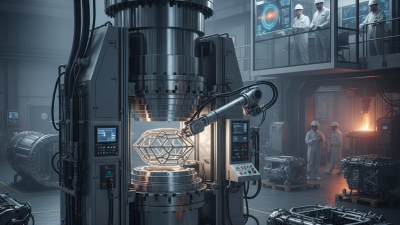
Isostatic Pressing is a method that forms solid materials through uniform pressure. This technique is vital in various industries, including ceramics and metalworking. Dr. Emily Carter, a leading expert in material science, stated, “Isostatic Pressing transforms traditional manufacturing.” Her insight highlights its relevance in modern production.
This process involves applying pressure in all directions. It enhances the density and strength of materials, making them suitable for demanding applications. The consistency achieved through Isostatic Pressing leads to fewer defects. However, challenges exist, such as the need for specialized equipment and the high costs associated with it.
While Isostatic Pressing holds promise, it is not a one-size-fits-all solution. Each application requires careful consideration. As industries evolve, so must the techniques used. Continuous improvement in Isostatic Pressing can unlock new potentials that we have yet to explore. Without reflecting on its limitations, we may miss opportunities for innovation.
What is Isostatic Pressing? Definition and Overview
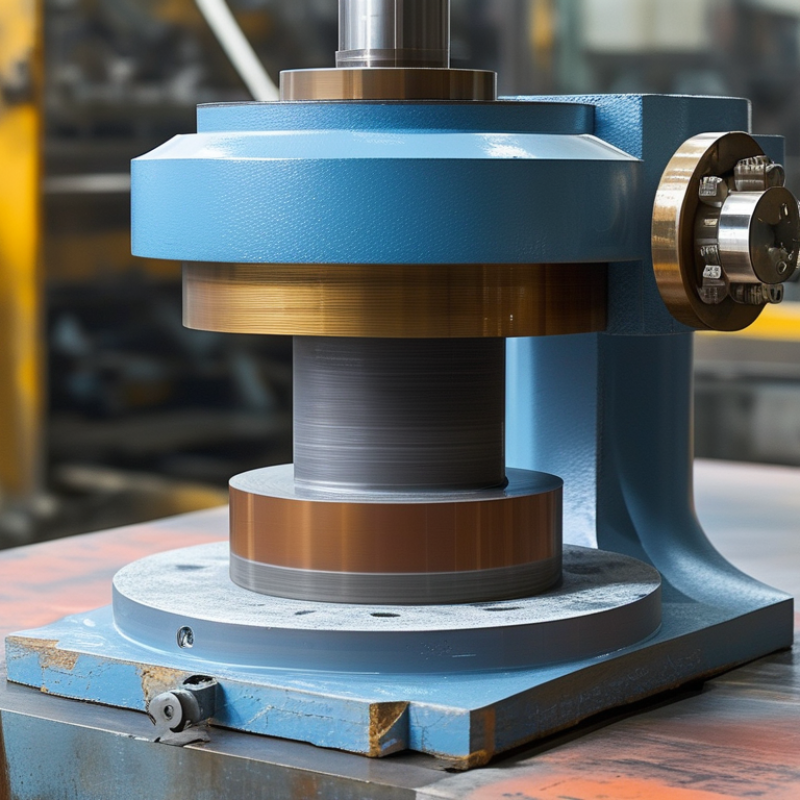
Isostatic pressing is a manufacturing process that offers uniform pressure application to materials. It is widely used for ceramics, metals, and composites. The method applies pressure from all directions, which leads to improved density and mechanical properties. According to industry reports, the global isostatic pressing market is projected to reach USD 8.6 billion by 2028, with a compound annual growth rate of 6.1%. This demonstrates the growing significance of the technique in various sectors.
The process begins with the product being encapsulated in a flexible container. This container is then submerged into a fluid, typically oil or water. The application of high pressure transforms the raw materials into a denser and stronger final product. Data from the Journal of Materials Science indicates that components produced via isostatic pressing can achieve up to 90% theoretical density, demonstrating its effectiveness in enhancing material properties.
Regular maintenance and monitoring of the pressing equipment are essential. This ensures consistent pressure and optimal results. Understanding the nuances of material selection is critical as well. Some materials may not respond equally to isostatic pressing. Experimentation and thorough testing can help determine the best fitting materials for specific applications.
The Mechanism of Isostatic Pressing: Principles and Processes
Isostatic pressing involves applying uniform pressure to materials, often for shaping and densifying powders. This process is crucial in industries like ceramics and metallurgy. By employing hydraulic or mechanical means, isostatic pressing generates high levels of pressure on all surfaces. This ensures that the materials are compacted uniformly, resulting in improved strength and durability.
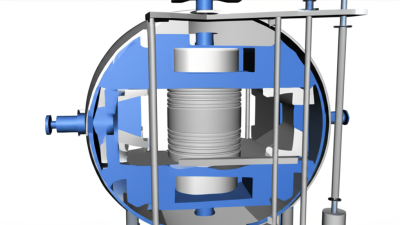
The mechanism centers around the principles of hydrostatic pressure. Liquids transmit pressure equally in all directions. During isostatic pressing, the material is enclosed in a flexible membrane. This membrane is filled with a liquid, allowing even pressure distribution. The result is a more uniform grain structure in the final product. However, achieving consistent results requires precision and expertise. Variations in material properties or pressure applied can lead to defects.
Processes may involve cold or hot isostatic pressing. Cold pressing solidifies materials at room temperature, while hot pressing combines heat with pressure. Both methods have their challenges. Temperature control is critical and can complicate matters. Even minor fluctuations can affect the outcome. Mastering isostatic pressing takes time and patience, as understanding the nuances is essential for high-quality results.
Types of Isostatic Pressing: Hot vs. Cold Methods
Isostatic pressing is a manufacturing process used to shape materials into desired forms. There are two primary methods: hot and cold pressing. Both methods have distinct advantages and applications. Understanding these differences can help manufacturers choose the right approach for their specific needs.
Hot isostatic pressing involves the application of heat along with pressure. This method enhances the material's ductility, making it easier to shape and reduce porosity. Materials processed through this method tend to exhibit improved mechanical properties. However, the requirement for high temperatures can limit its usage with certain materials that are heat-sensitive or have low melting points.
Cold isostatic pressing, on the other hand, applies pressure without heat. This method is less energy-intensive and suitable for more delicate materials. It is commonly used for ceramics and metals that do not require the elevated temperatures involved in hot pressing. Yet, cold pressing may result in less densification compared to the hot method, potentially leading to weaker parts. Each approach has its merits, and selecting the right method hinges on the material properties and intended application.
Applications of Isostatic Pressing in Industry: Key Sectors and Materials
Isostatic pressing is a versatile technique used across various industries. It involves applying equal pressure from all directions to compact materials. This process is critical in sectors such as ceramics, metals, and composites. In ceramics, isostatic pressing ensures uniform density and improved strength. The result is high-quality products, such as tiles and sanitary ware, that require high durability.
In the metalworking industry, isostatic pressing is used for creating complex shapes and enhancing material properties. This technique allows for the production of components that are both lightweight and strong. Aerospace and automotive sectors benefit from this, as lighter parts can improve fuel efficiency. However, challenges exist in the processing of certain high-performance materials. Each material may behave differently under pressure, requiring careful experimentation.
Composites are another area where isostatic pressing shines. The uniform pressure helps eliminate voids, resulting in stronger and more reliable products. Yet, not all applications have seen success. Some composites remain tricky to form, requiring continuous refinement of methods. This ongoing learning curve emphasizes the need for expertise and innovation in using isostatic pressing effectively.
Advantages and Limitations of Isostatic Pressing: Efficiency and Cost Analysis
Isostatic pressing is a technique that applies pressure uniformly in all directions. This method is known for its versatility in creating complex shapes, particularly in ceramic and metal materials. The process's efficiency comes from utilizing isostatic pressure, which achieves higher density and uniformity than conventional pressing techniques. According to industry reports, parts produced via isostatic pressing often exhibit up to 30% higher strength than those manufactured using traditional methods.
The advantages of isostatic pressing include reduced material waste and improved product integrity. This method can produce tight tolerances that lead to better performance in end-use applications. However, the cost of equipment and longer lead times can be significant drawbacks. Reports indicate that isostatic pressing can be up to 50% more expensive than other forming methods, posing a challenge for manufacturers on tight budgets.
While isostatic pressing shows promising efficiency, companies must weigh these benefits against cost limitations. Factors such as material choice and market demand can influence the decision. Exploring advanced technology may help mitigate some drawbacks, but initial investments can impact smaller operators. Adopting isostatic pressing requires careful consideration of these economic factors alongside application needs.
What is Isostatic Pressing and How Does It Work? - Advantages and Limitations of Isostatic Pressing
| Dimension |
Details |
| Process Type |
Isostatic pressing |
| Pressure Type |
Hydraulic or gas |
| Materials Used |
Ceramics, metals, composite materials |
| Advantages |
Uniform density, high strength, excellent material utilization |
| Limitations |
High initial setup cost, slow processing time |
| Applications |
Aerospace, automotive, electronics |
| Cost Consideration |
Higher cost per part compared to traditional pressing |