Top 10 Hot Isostatic Pressing Ceramics Suppliers

Hot Isostatic Pressing Ceramics are moving from specialist laboratories into demanding aerospace, medical, energy, and electronics applications. The process combines elevated temperature and gas pressure to reduce internal pores, improve density, and strengthen complex ceramic components. A tiny pore inside a turbine insulator can become a serious failure point. HIP helps address that weakness.

Industry reports support this growing interest. MarketsandMarkets identifies aerospace, energy, and medical applications as major drivers of the hot isostatic pressing market. Grand View Research also reports increasing demand for advanced ceramics in electronics, healthcare, and transportation. These reports suggest strong commercial momentum, although market forecasts differ by research method and definition. That uncertainty deserves attention.

Dr. Robert M. German, a widely recognized powder-processing specialist, has described HIP as “a pressure-assisted sintering process that closes internal porosity.” This principle remains central to supplier evaluation. A capable manufacturer must control powder purity, capsule design, temperature uniformity, pressure cycles, machining, and inspection. Certifications matter, but they do not tell the whole story.

The following Top 10 Hot Isostatic Pressing Ceramics Suppliers are assessed through a practical lens. Product quality, material expertise, equipment capability, application experience, and traceability all matter. Real performance depends on more than a polished website. Some supplier claims also require closer verification. Test data, dimensional records, and customer references can reveal what marketing language hides. That is where this comparison becomes useful, though no ranking should be treated as permanent.
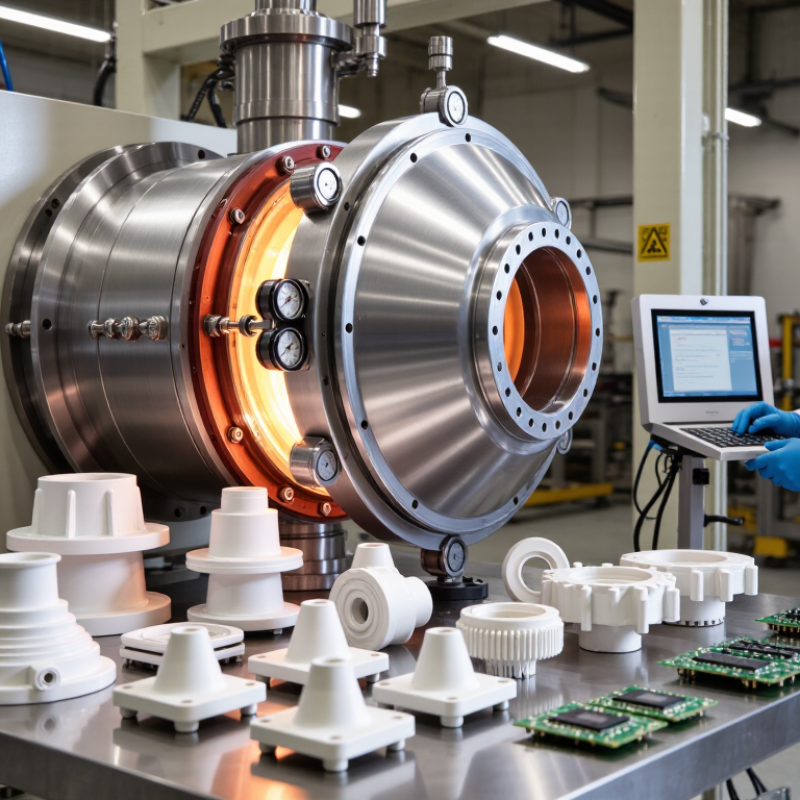
Top 10 Hot Isostatic Pressing Ceramics Suppliers

What Are Hot Isostatic Pressing Ceramics?

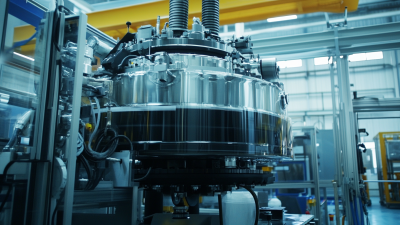
Hot Isostatic Pressing (HIP) ceramics are ceramic components densified through heat and equal gas pressure. The process usually uses an inert gas, such as argon, inside a sealed pressure vessel. Heat softens the material, while pressure closes internal pores from every direction. This can improve density, strength, fatigue resistance, and dimensional consistency.

HIP is used with advanced ceramics such as alumina, zirconia, silicon nitride, and selected carbide materials. Engineers may apply it to medical parts, cutting tools, seals, electronic substrates, and aerospace components. In practice, results depend on powder quality, molding methods, temperature control, pressure cycles, and surface finishing. HIP is powerful, but it is not magic. Poorly prepared ceramic bodies may still develop distortion or hidden defects. That point is sometimes underestimated.

Tips: Ask suppliers for density data, batch traceability, dimensional tolerances, and independent inspection records. Request sample testing under your real operating conditions. A polished sample may not represent long-term performance. Compare thermal shock, wear, chemical exposure, and fracture behavior before choosing a supplier. Also, clarify whether the supplier controls HIP internally or outsources it. This detail can affect consistency, delivery time, and technical responsibility. Supplier claims should be checked against test methods, not accepted by appearance alone.

Key Criteria for Evaluating HIP Ceramic Suppliers

Top 10 Hot Isostatic Pressing Ceramics Suppliers

When evaluating HIP ceramic suppliers, start with evidence, not rankings. Grand View Research estimated the global advanced ceramics market at approximately USD 89 billion in 2023, with continued growth driven by aerospace, medical, and electronics applications. This expansion increases supplier choice, but it also raises qualification risks. Ask for material certificates, HIP temperature and pressure ranges, furnace uniformity data, and traceable batch records. A serious supplier should explain how it controls porosity, grain size, and dimensional distortion after treatment.

Test results matter more than polished brochures. Compare density, flexural strength, fracture toughness, dielectric performance, and Weibull reliability under identical conditions. ASTM test methods can improve comparability, although they do not remove every laboratory difference. MarketsandMarkets’ 2024 advanced ceramics analysis highlights electronics and electrical applications as major demand areas, where small defects can cause early failure. For these parts, request cross-sectional microscopy and non-destructive inspection records. Do not accept only average values.

Experience is visible in the questions a supplier asks. Does it understand your powder grade, component geometry, surface finish, and final machining allowance? Check ISO-based quality systems, corrective-action records, delivery consistency, and pilot-batch performance. Cost still matters. However, the cheapest quotation may exclude inspection or rework. No scorecard is perfect. I would reassess suppliers after production trials, because laboratory data can look excellent while real batches behave differently.

Top 10 Hot Isostatic Pressing Ceramics Suppliers

Choosing the top 10 hot isostatic pressing ceramics suppliers requires more than comparing equipment size. In practical sourcing work, I examine material knowledge, process control, inspection records, and delivery consistency. A dependable supplier should handle alumina, zirconia, silicon nitride, or other technical ceramics with stable pressure and temperature cycles. Small differences matter. A few degrees can affect density, strength, and dimensional accuracy.

The strongest suppliers usually provide complete process documentation. This may include powder preparation, encapsulation, heating profiles, cooling rates, and post-HIP machining. Traceability is essential for aerospace, medical, energy, and semiconductor applications. Look for suppliers with calibrated pressure vessels, qualified technicians, and reliable non-destructive testing. They should also explain acceptable tolerances before production begins. Clear communication prevents expensive surprises.

A top-ten list should consider more than reputation. Lead time, prototype support, batch flexibility, and technical responsiveness are equally important. Ask for sample data, inspection methods, and evidence of repeatable results. Be cautious with impressive claims that lack measurable details. A ranking is never absolute. The best supplier for dense zirconia components may not suit large silicon nitride parts. I would also review how suppliers manage defects, because perfect results are not realistic in every ceramic batch. Honest reporting often reveals stronger engineering discipline. Supplier evaluations should be updated regularly as equipment, standards, and customer requirements change.

Applications and Materials Offered by Leading Suppliers

Top 10 Hot Isostatic Pressing Ceramics Suppliers

Leading hot isostatic pressing suppliers support demanding industries with controlled heat and pressure. Their services improve density, strength, and reliability in advanced ceramic components. Aerospace manufacturers use HIP-treated ceramics for thermal barriers, turbine parts, and wear-resistant nozzles. Medical producers apply zirconia and alumina to implants, dental components, and surgical tools. Electronics companies need dense ceramics for insulating substrates and high-frequency packages.

Common materials include alumina, zirconia, silicon nitride, silicon carbide, and boron carbide. Some suppliers also process ceramic matrix composites and custom powder formulations. These materials offer different balances of hardness, thermal stability, electrical insulation, and fracture resistance. A supplier’s real value depends on more than equipment size. Process records, temperature uniformity, powder preparation, dimensional control, and inspection methods matter greatly. No supplier fits every project. That assumption deserves a second look.

Tips: Ask for material certificates, density results, and sample inspection data. Confirm the maximum component size and achievable tolerances. Discuss surface finishing early, because HIP can improve internal quality but cannot correct poor design. Request evidence of repeatable production, not only laboratory success. Small details matter. A supplier may provide excellent pressure control but limited post-processing. That mismatch can increase lead times and costs. Experienced buyers should compare technical support, traceability, and testing depth before selecting a long-term partner.

Top 10 Hot Isostatic Pressing Ceramics Suppliers - Applications and Materials Offered by Leading Suppliers

Rank Supplier Profile Core Ceramic Materials Typical HIP Temperature Typical Pressure Range Primary Applications Common Services Offered
01 Supplier Profile A
Advanced technical ceramics
Alumina, zirconia, silicon nitride, silicon carbide 1,200–2,000°C 100–200 MPa Wear components, seals, pump parts, insulating components HIP consolidation, precision grinding, dimensional inspection
02 Supplier Profile B
Aerospace ceramic components
Silicon carbide, silicon-infiltrated SiC, oxide ceramics 1,400–2,200°C 100–150 MPa Aircraft engine parts, thermal protection, lightweight structures Near-net-shape processing, non-destructive testing, machining
03 Supplier Profile C
Electronic and electrical ceramics
Alumina, aluminum nitride, beryllium oxide, zirconia 1,500–2,000°C 100–200 MPa Substrates, heat spreaders, electrical insulators, packages Porosity reduction, thermal-property improvement, lapping and polishing
04 Supplier Profile D
Medical and dental ceramics
Yttria-stabilized zirconia, alumina, hydroxyapatite 1,200–1,600°C 100–180 MPa Dental restorations, orthopedic components, surgical instruments HIP densification, surface finishing, dimensional and microstructural testing
05 Supplier Profile E
Industrial wear ceramics
Alumina, zirconia-toughened alumina, silicon nitride, SiC 1,300–2,000°C 100–200 MPa Bearings, valves, liners, nozzles and cutting components HIP treatment, CNC machining, abrasion and hardness testing
06 Supplier Profile F
Energy and process ceramics
Alumina, zirconia, SiC, stabilized zirconia electrolytes 1,300–2,100°C 100–180 MPa Fuel-cell parts, kiln furniture, heat exchangers and burner systems Densification, thermal-shock evaluation, leakage testing
07 Supplier Profile G
Research and development ceramics
Alumina, zirconia, SiC, Si₃N₄ and ceramic composites 1,200–2,200°C 100–200 MPa Prototype components, material research, process validation Small-batch HIP cycles, experimental formulations, microscopy and density analysis
08 Supplier Profile H
High-temperature ceramics
SiC, silicon nitride, zirconia and mullite 1,500–2,300°C 100–200 MPa Furnace components, combustion systems, heat-resistant fixtures High-temperature HIP, oxidation testing, thermal cycling
09 Supplier Profile I
Precision ceramic assemblies
Zirconia, alumina, silicon nitride and machinable ceramics 1,200–1,900°C 100–180 MPa Optical mounts, sensor housings, laboratory and automation parts HIP processing, tight-tolerance machining, assembly and inspection
10 Supplier Profile J
Ceramic powder and near-net-shape processing
Alumina, zirconia, SiC, aluminum nitride and ceramic blends 1,200–2,100°C 100–200 MPa Complex-shaped parts, powder qualification, prototype and production components Powder preparation, forming, HIP consolidation, testing and finishing

Note: Temperature and pressure figures represent commonly used industrial HIP ranges for ceramic processing. Actual capability depends on equipment design, material composition, part geometry and qualification requirements.

How to Select the Right HIP Ceramics Supplier

Choosing among the Top 10 Hot Isostatic Pressing Ceramics Suppliers requires more than comparing prices. Start with your material, operating temperature, pressure cycle, and required density. A supplier should understand alumina, zirconia, silicon carbide, or other advanced ceramics. Ask for measured data, not attractive claims.

Review technical experience through case studies, process records, and inspection reports. Check dimensional tolerance, surface finish, porosity, thermal stability, and chemical compatibility. Reliable suppliers can explain powder preparation, encapsulation, HIP parameters, and post-processing. They should also provide material certificates and traceability for each production batch. An on-site audit can reveal details that brochures hide, such as poor storage conditions or unclear inspection practices.

Tips: Request a small sample before placing a large order. Compare test results under identical conditions. Confirm equipment size, furnace uniformity, production capacity, and realistic delivery times. Discuss nonconforming parts before production begins. Clear corrective-action procedures matter. Communication matters too.

Cost deserves attention, but the lowest quote may create expensive rework. I have found that supplier selection often fails when buyers overlook packaging and machining allowances. That mistake is easy to repeat. Ask who controls subcontracted processes and how changes receive approval. A strong supplier welcomes technical questions, admits process limits, and supports verification after delivery. When evidence is incomplete, slow the decision rather than trusting confident language.