What Is a Hot Isostatic Pressing Machine?
A Hot Isostatic Pressing Machine combines heat, high gas pressure, and controlled cooling inside a sealed pressure vessel. Unlike conventional pressing, it applies pressure from every direction. This helps remove internal pores and bond powder particles throughout complex components.
John L. Hryn, a recognized powder-metallurgy specialist, describes the principle clearly: “Heat and pressure work together to consolidate materials and close internal defects.” In practice, argon usually surrounds the component at pressures reaching 100–200 MPa. Temperatures may exceed 1,000°C for titanium, nickel alloys, or advanced ceramics. The machine includes a furnace, gas compressor, pressure vessel, cooling circuit, and computer controls. Each part matters. A small temperature variation can affect density, grain structure, or dimensional accuracy.
The benefits are tangible. A turbine part may show fewer pores under inspection. A medical implant can gain improved fatigue resistance. A repaired casting may perform more reliably in service. Yet HIP is not a magic solution. It cannot correct poor alloy chemistry, contaminated powder, or careless loading. The equipment also demands significant energy, long cycle times, and strict process validation. That limitation deserves attention.
Experienced operators review powder condition, capsule design, temperature records, and pressure curves before production. They also examine the finished part using non-destructive testing. Results can still vary. Complex geometries may shrink unevenly, and published data may not match every alloy batch. Therefore, understanding what a Hot Isostatic Pressing Machine does requires both engineering theory and practical skepticism.
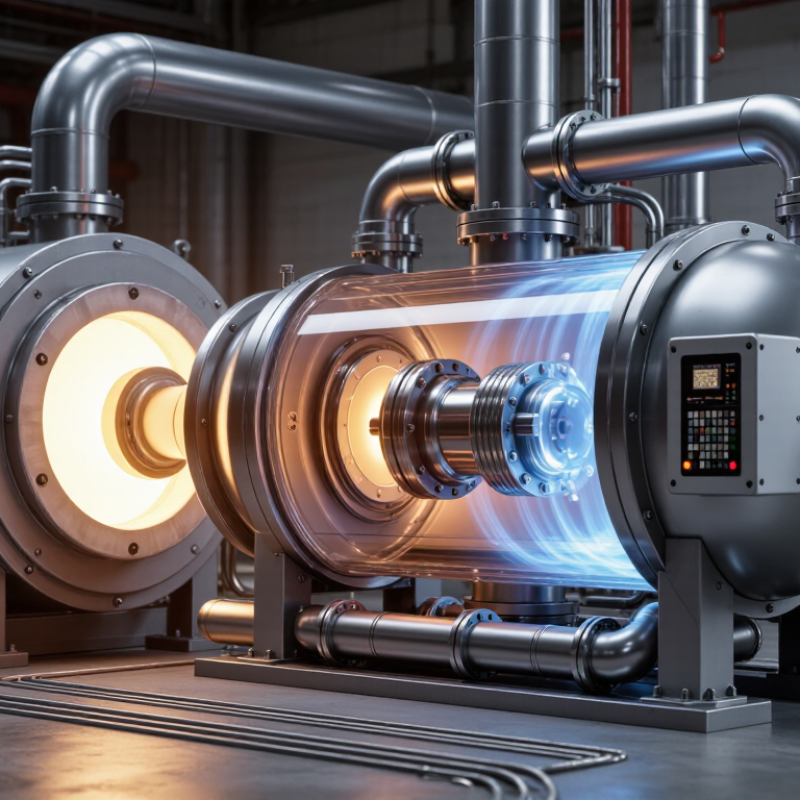
What Is a Hot Isostatic Pressing Machine?
A hot isostatic pressing machine is a sealed pressure vessel that improves metal parts through heat and gas pressure. It usually uses argon, not air, to press equally from every direction. Temperatures may reach 900–2,000°C, while pressure often ranges from 100–200 MPa, depending on the alloy and process recipe.
Inside the chamber, heat softens the material and pressure closes internal pores. This can improve density, fatigue resistance, and dimensional reliability. The process supports castings, powder-metallurgy components, and metal additive-manufactured parts. The 2024 Wohlers Report valued the global additive manufacturing industry at $20.035 billion in 2023. That growth increases demand for dependable post-processing. Still, HIP is not a magic repair step. Poor powder quality, contamination, or an unsuitable cycle can preserve defects rather than remove them. My practical concern is simple: a dense part is not automatically a safe part.
Tips: Check the alloy’s approved temperature window. Record pressure, heating rate, hold time, and cooling behavior. Use witness coupons when qualification matters. Small sample tests can expose large process mistakes.
Operators should also inspect parts before and after HIP. Non-destructive testing can reveal cracks that density measurements miss. Machine calibration matters. So does loading layout. Parts touching one another may experience uneven heating or restricted gas flow. ASME material requirements and relevant ASTM procedures should guide qualification, but engineers must verify the exact standard for each application. One overlooked variable can change the result.
How Does Hot Isostatic Pressing Work?
What Is a Hot Isostatic Pressing Machine?
How Does Hot Isostatic Pressing Work?
A hot isostatic pressing machine combines high temperature and uniform gas pressure inside a sealed vessel. Production teams usually use argon, because it remains chemically stable during heating. The chamber may operate near 900–2,000°C and 100–200 MPa, depending on the alloy and component design. Pressure acts from every direction. This differs from ordinary pressing, which mainly loads one axis.
The cycle begins with loading, sealing, evacuation, and inert-gas filling. Heat softens the material, while pressure closes internal pores through creep and diffusion. A printed metal part may enter with tiny voids between layers. Under sustained pressure, those voids shrink or disappear. Cooling often continues under pressure. That detail matters. Removing pressure too early can reduce dimensional stability.
The 2024 Wohlers industry report valued global additive manufacturing at 20.035 billion dollars in 2023, up 13.5 percent. More complex metal parts increase demand for reliable post-processing. The ASM Handbook describes HIP as a route for improving density, fatigue performance, and structural consistency. Yet HIP is not magic. Surface-connected defects may need machining or sealing before treatment. Temperature errors can also cause grain growth. Small changes matter. Process records should track pressure, temperature, dwell time, and cooling rate. In production practice, the hardest question is not whether HIP works, but whether the chosen cycle fits the material and its defects.
What Are the Main Components of an HIP Machine?
What Is a Hot Isostatic Pressing Machine?
A hot isostatic pressing (HIP) machine combines high pressure and heat to densify metal, ceramic, or powder components. It uses an inert gas, usually argon, inside a sealed pressure vessel. Equal pressure surrounds the part from every direction. This can close internal pores and improve fatigue performance.
The pressure vessel is the machine’s main structural component. It must withstand extreme pressure and repeated heating cycles. Inside, a thermal insulation zone reduces heat loss. Electric heaters raise the chamber temperature, while thermocouples monitor conditions near the workload. A high-speed gas circulation fan helps maintain uniform temperature. Without proper circulation, one side of a component may receive different treatment.
The machine also includes a gas supply and compression system, valves, seals, loading equipment, and a digital control unit. The control system coordinates pressure, temperature, holding time, and cooling. Some systems use rapid cooling to shorten production cycles. However, cooling performance depends on load size, vessel design, and gas flow. Simple specifications can hide these practical differences.
Tips: Check calibration records before processing. Inspect seals and insulation regularly. Keep detailed records for each cycle. Small temperature errors matter. In my experience, loading arrangement deserves more attention than expected. A crowded work zone can restrict gas movement and reduce process consistency.
Which Materials and Products Can HIP Process?
What Is a Hot Isostatic Pressing Machine?
Which Materials and Products Can HIP Process?
A hot isostatic pressing machine combines elevated temperature and uniform gas pressure. It usually uses an inert atmosphere to compress materials from every direction. This treatment can close internal pores, improve density, and strengthen critical parts.
HIP can process nickel-based and titanium alloys, stainless steels, tool steels, aluminum alloys, ceramics, and selected metal-matrix composites. It is also useful for powder metallurgy parts, investment castings, and additively manufactured components. Typical products include turbine blades, pressure-bearing components, orthopedic implants, cutting tools, and high-performance molds. The process is not a universal repair method. Material chemistry, pore shape, temperature, and surface condition all influence the result.
A practical lesson is easy to overlook: higher pressure does not automatically mean better quality. Engineers must match the cycle to the material’s phase behavior and production history. Some components may distort, react with containers, or gain little benefit from treatment. Testing should include density checks, dimensional inspection, and mechanical evaluation. That evidence makes the process more reliable.
Tips: Confirm material compatibility before processing. Use witness samples when the component is expensive. Record temperature, pressure, holding time, and cooling conditions. If results seem inconsistent, review the powder, casting, or printing stage—not only the HIP cycle.